
“It’s going to be hard”
As I started to talk to people around me about having a dog the most common comment was “It’s going to be hard.” Or “It’s a lot of work.” Like I somehow blindly went into dog ownership. It was clear these people didn’t know me well. I have had dogs in my life before, even though I never had my own. I have also spent a gazillion hours watching Cesar Milan and that British dog trainer Victoria on TV and YouTube. I know a dog needs structure, commitment and is a lot of work. But why did people feel a constant need of reminding me of this?

SHOWING UP FOR YOUR KIDS
So much of parenting is just like this: doing everything but expecting nothing. It’s what our parents did for us to some extent and now we pay it forward. The love is not in the “I love you” that you tell your kids, it’s in how you show up, both how you are present and how you sacrifice for them. They are young for a short period of their lives and then they grow up, fly the coop and may not need you anymore. So it’s worth showing up now, loving them now, pouring in to them now. This is what will make them good humans once they venture out into the world.
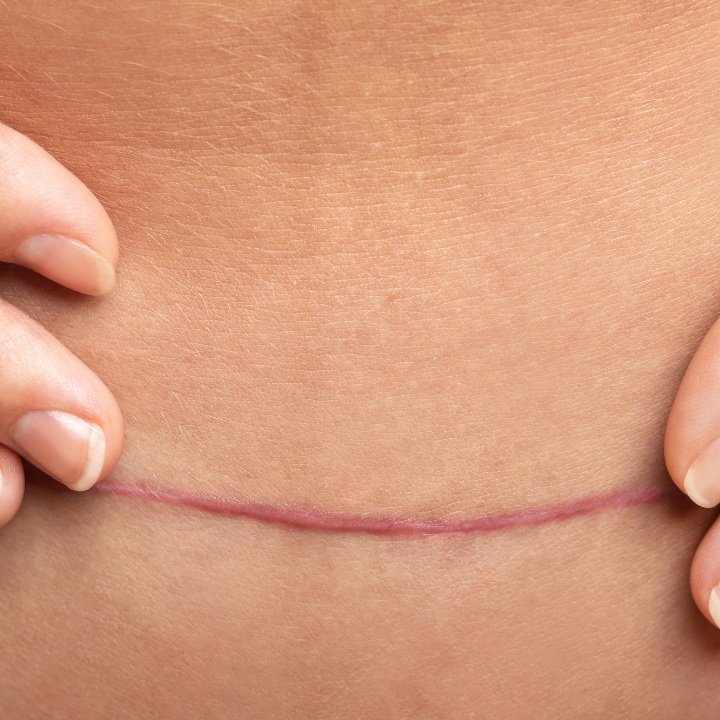
C-section, part 2: routines after birth in sweden
In part one I covered what kind of different c-sections that exist and what different routines can be a part of having a c-section birth in Sweden. When I edited that video I realized what was missing was information on what happens post surgery, so I wanted to share this in general terms.

pregnancy retreat october 26th to 27th
Together with two other midwives I will be hosting a retreat for pregnant people at the end of October. It's a two day, one night retreat at Stiftelsegården Åkersberg and Andrum Spa in Höör, Skåne.
We will offer pregnancy yoga, different prenatal exercises, education and more. There will also be meals included as well as one night's stay at the hotel on the premises. You will also have time to use the spa facilities during your stay.
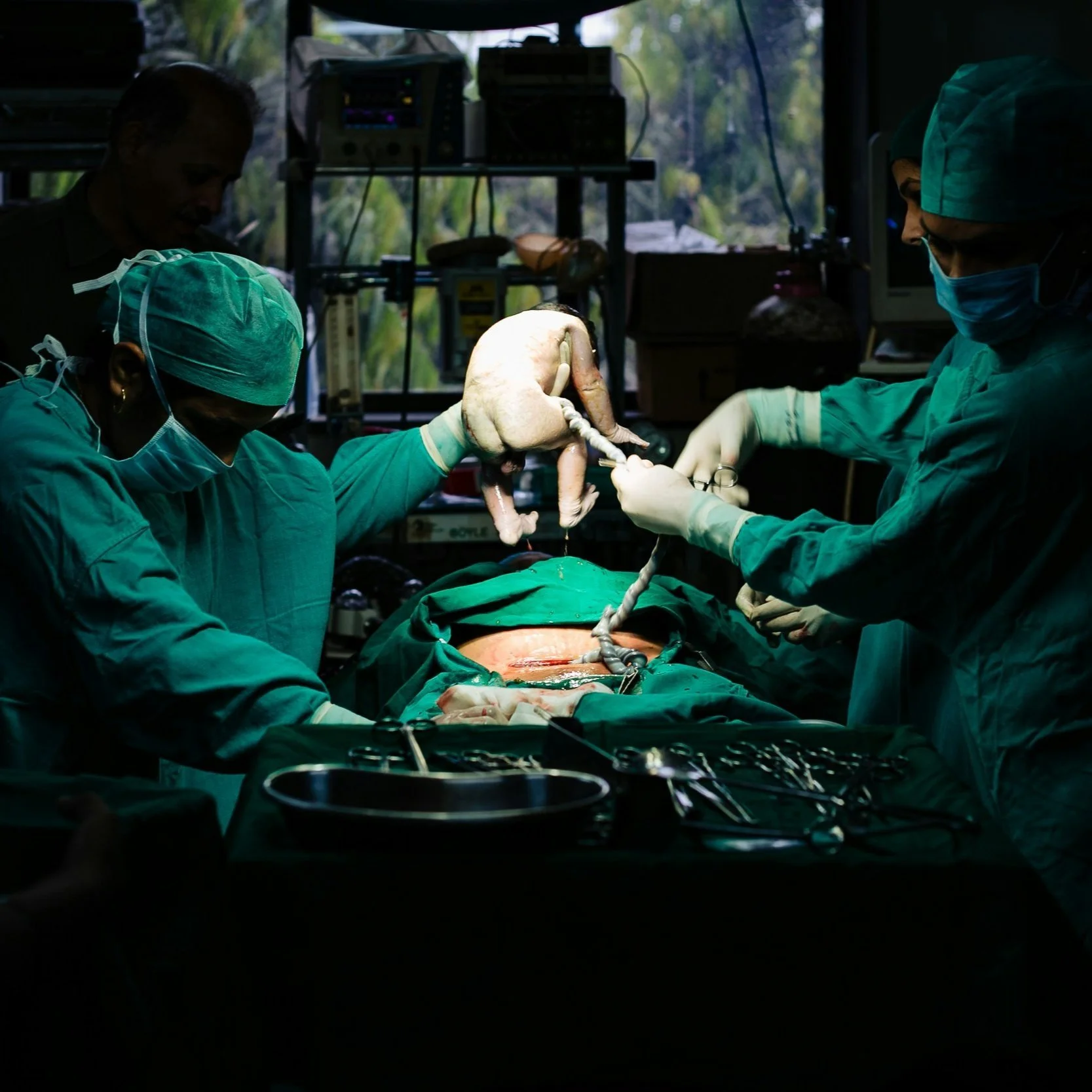
Common c-section Hospital routines in sweden
There are different types of c-sections, some are scheduled c-sections where you go in to the hospital on a certain day and have the surgery. The reason for this varies, you may have a medical condition that recommends the birth be a c-section, or the baby or the placenta is in a position that isn't conducive with a vaginal birth. Some people have a fear of giving birth vaginally and are therefore get a doctors’ approval for a c-section. In Sweden the general recommendation is to not have a vaginal birth after two c-sections so this is also another reason for scheduling a c-section.

women
Historically birth has been something that only involved women, males were not allowed to part take in this event. In many cultures around the world this is still the norm. And part of me understands why.

on single motherhood
I started my journey into parenthood single. Growing up in a two parent household I wasn't really sure of what it meant to be the only parent in a household. But even before I ever got pregnant, in my late teens, I had a feeling I was going to be a single mom. I don't know if I ever stopped to think that I couldn't do it, or that it would be too hard. I had friends and family that were super supportive and that helped.

skin to skin with your newborn
Skin-to-skin contact means holding your baby naked against your skin, usually under your top or under a blanket. Some know this as kangaroo care or kangaroo mother care (KMC) as it sometimes is called in neonatal care units.
When your baby is born, you will be encouraged to have skin-to-skin contact as soon as possible. Your baby will be able to hear the comforting sound of your heartbeat and voice, which will help calm and relax them. It's never too late to start skin to skin, so if you have been separated from your baby because you or your baby were not in good health or maybe your baby was born prematurely whenever you can place your baby, in only a diaper directly on your skin.
“Am i allowed?”
“Am I allowed?”
This question I’ve heard so many times in different way at different times related to pregnancy and birth. “Am I allowed to say no to the blood glucose test?” Or “Am I allowed to tell the staff I don’t want them to touch my baby after she is born?” Or anything similar.

My breastfeeding journey
Before I found out that I was pregnant with my daughter I thought I wouldn't breastfeed. The thought of breastfeeding felt odd to me. But maybe part of it was that I was young and still getting used to my adult body. I got pregnant when I was 22 and early on in pregnancy I decided that of course I wanted to breastfeed. I don't know what happened, it was like it changed from one day to another, maybe it was the pregnancy hormones. During my pregnancy I read lots of books, most of them about birth but one was specifically about breastfeeding.

There is no wrong way to give birth
There is no wrong way to give birth. This is a sentence I think often and say out loud for time to time. What it means to me is that how you choose to give birth is your choice. I feel like my job as a Doula and a Midwife is to follow your lead, support you and hold space for you. I trust that you know what you need and I will be here to help you to the best of my abilities.

what is a doula?
A Doula is a person that supports the person giving birth and their partner during pregnancy, birth and in some cases postpartum as well. A Doula has no medical responsibility and can be a trained person or a non-trained person. My focus here is on the trained Doula. Most of the Doulas are women, though I have heard of men taking the Doula training, I think this is still quite rare.

All emotions are welcome here
For some people birth is only physical, they see it as a mechanical function of the body. But for most people birth is something transformative. We birth our babies and we birth a new version of ourselves.
Labor and birth can push us into a place we didn’t know existed. It can challenge every fiber of our being, mental, physical, emotional, spiritual. To be present in the room when someone goes through this deep transformation is, to me, magical. I don’t take it for granted. I always express gratitude. It’s like each birth teaches me something even though the journey I’m witnessing isn’t mine. Birth forces us to strip down, to remove all those layers of who we are and who we want to be perceived to be. We are forced to show up as our authentic selves, raw and beautiful. We have to give in to the moment and trust our entire being. There is only one moment, the moment you are in.
family traditions
My parents came from traumatic family dynamics, I think they grew up in survival mode more than anything else. They also both immigrated to Sweden and don't have any extended family here. I don't know if they wanted kids, or I do know. My mother has told me several times she didn't want kids, but then her "biological clock" set in and she decided to have me. I think that in those unconscious choices of becoming parents they didn't consider what kind of parents they wanted to be or what they wanted to give their children in terms of things like traditions. So when I was young there was a lack of tradition in my home. My mother, who is not Swedish, tried to bring me to the local midsummer celebration, but as it's none of my parent's culture it always felt forced, so midsummer is nothing I have continued to celebrate.
What to pack in your hospital bag
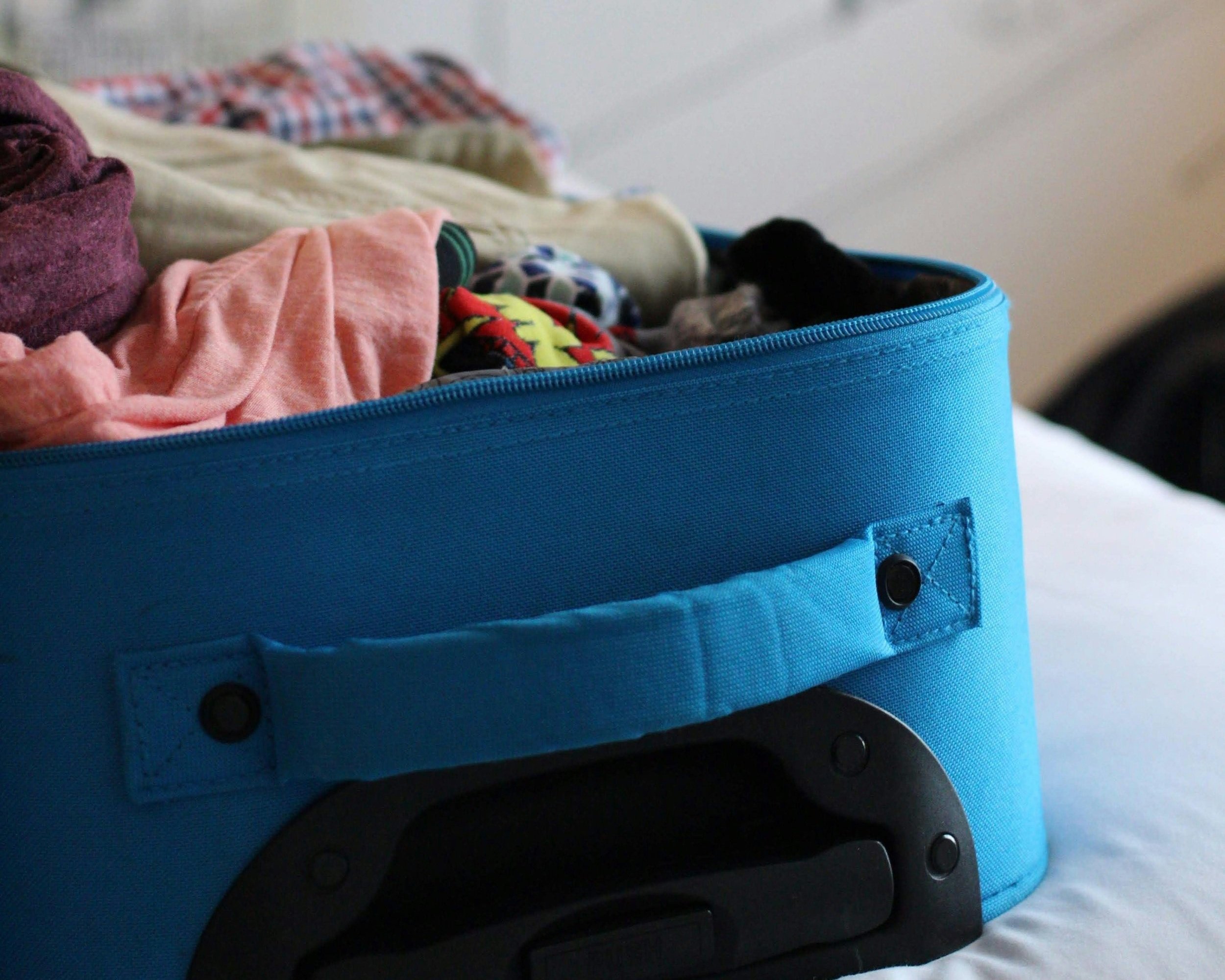
If you are planning to give birth in a hospital in Sweden you may wonder what to bring with you to the hospital. I have shot an in depth video that you can view on YouTube as well, but I wanted to give you a short written list as well.

My Own birth
I was born in a hospital in a medium sized city in Sweden 41 years ago. I have heard stories of my birth through most of my life, but over time there has been new information added. When I expected my first child in 2005 I spoke to my mom about my own birth, as many of us do. My mom couldn't hide the disbelief on her face when I told her I was not planning on having an epidural. That's the only time I think my mom mentioned pain when she talked about my birth. She talked about my dad and their friend that was there and that I was in neonatal care for the first couple of days of my life. She talked about breastfeeding, overproduction of milk and selling milk to the hospital. She talked about how neonatal care was in a separate building so in the morning a kind of golf cart trolley picked all the moms up that had babies in neonatal care and took them there. She told me I had jaundice and had to be treated with UV lamps. And back then, in the early 80's mom and baby started in the hospital for a week. She shared a room with three other women, one who she stayed in touch with for many years afterwards.

Trusting your body
When I became pregnant with my daughter at age 22 there was no doubt in my mind that my body could birth her. I had very little fear connected to birth, I only feared having a c-section. But I felt confident I could birth my baby and my affirmation (which at the time I didn’t even know what that was) was “My body knows what to do.” I trusted my body through birth and new motherhood as I had many times before birth.
Ystad BB
I became a Midwife to attend births, but the births I attended as a Midwifery student were not what I was dreaming of. I wanted more softness and trust in the process, I think I found that in Ystad. A deep belief in women's ability to give birth to the babies they carry.

creating safety
For each person what makes them feel safe varies. But we all function in the same basic way: if we feel safe our nervous system works well and as it is supposed to. When we are in a constant state of stress, fighting/flight/freeze our nervous system is in a state of alert and focused on escaping danger. It’s basic human biology.

Home birth in sweden
In Sweden birth at home is quite rare. It is estimated that around 180 births in 2020 were planned home births (this out of an estimated 113 000 births in total in the country that same year). A planned home birth is a birth that was planned to take place in the home with a midwife present. This is not to be confused with unassisted home births that is a birth that takes place at home without any medical personnel present. Most births in Sweden do still take place in hospitals, and I will soon explain more on why this is.